
Book release date: December 18th. Preorder now!
When a Christmas party leads to a daring rescue, dreams come true...
When a Christmas party leads to a daring rescue, dreams come true...



When Jane Chasen visits her neighbor's penthouse to see a recently acquired Frida Kahlo self-portrait, Jane's assessment reveals it's a fake. The next morning, as Jane and her boyfriend Jesse walk along the bayou that winds through her condominium complex, they stumble over the dead body of the penthouse owner. Jesse, a police detective, disappears into his demanding job, and tensions rise with the discovery of a second body. When Jane herself is targeted, she realizes her own home is no longer safe. One of her friends and neighbors wants her dead.



Widowed art lecturer Jane Chasen is not an impulsive woman. Why, then, does the formerly methodical workaholic quit her job, sell her house, and move from Detroit to Florida? Instead of pondering her atypical behavior, she takes a closer look at a neighbor's intriguing outdoor art installation. Days later, Detective Jesse Singer discovers the murdered artist in his studio. With Jane's help, Singer finds the victim's bloody shirt, inexplicably located within Jane's gated community. Singer knows nothing about art, and as he closely questions Jane, she offers to help with the art angle of the case. Singer soon takes Jane up on her offer. Then, Jane begins to receive anonymous threats. Singer, determined to protect Jane, keeps her closer to his side than ever--she's not complaining.
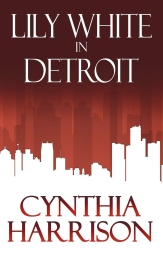
Private investigator Lily White has a client with a faulty moral compass. When the client is arrested for murdering his wife and her alleged lover, Lily follows her intuition and her own leads. If she’s wrong, she’ll at least know she did her job. Detroit police detective Derrick Paxton remembers Lily from another case. He understands she suffers from PTSD and thinks her judgment is impaired. He goes after her client and the evidence he needs to close the case. When Lily is kidnapped, the case takes an unexpected turn. In a sometimes racially divided city, a black cop and a white PI work together to peel back every layer to find the truth. What they find leads them to each other, but do they have enough to bring the true criminals to justice?